


Tara Annison of Rhino.Fi has spent her career navigating industries where men have traditionally dominated leadership. Having begun in banking before moving into crypto, she has seen both worlds from the inside and believes Web3 offers something fundamentally different: experience and knowledge can emerge from anywhere.
As Chief Product Officer at Rhino.Fi, Annison works within an executive team where women hold half the leadership positions, something she notes is still rare both in crypto and in technology more broadly. What matters most, she says, is not representation for its own sake, but the diversity of thinking that comes from bringing different perspectives into leadership.
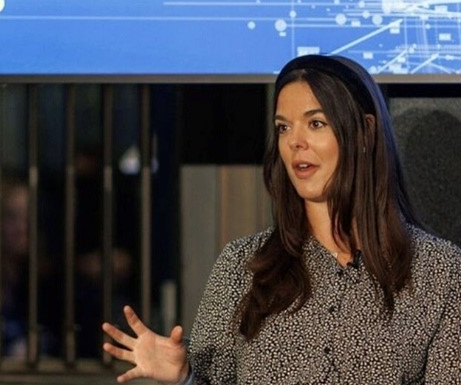
“What I see happening in those rooms is diversity of opinion, thought, and approach,” she says. “This is why having a mix of people from various walks of life, cultures, professional backgrounds, both technical and non-technical, and all leaders in their domains, is critical to a strong leadership function.”
Annison rejects the idea that there is a single model for leadership. Her experience in mixed leadership teams has shown her that effective leaders can look and behave very differently from one another. (See also: Lavinia Osbourne on creating conditions for others to succeed.)
“There’s no one type of leader; everyone has their own style and it’s about finding what feels most natural to you and what your team and your company needs most.”
That flexibility, she argues, is one of the advantages of Web3 itself. Unlike banking, where authority often came automatically with age and seniority, crypto remains young enough that expertise cannot be assumed from appearances. (See also: Charu Sethi on Web3 meritocracy where competence drives opportunity.)
“The industry is just 17 years old,” she says. “This means that the most senior person in the room could be anyone.”
She describes an environment where a young woman may possess a decade of protocol expertise while an older newcomer may still be learning the fundamentals. In crypto, she believes, knowledge quickly reveals itself once conversations begin.
“You literally don’t know until you talk to someone, and I love that.”
Still, she is realistic about the challenges women continue to face. Annison says she has experienced situations in both banking and crypto where people assumed she lacked technical knowledge because she was a young-looking woman.
“I take immense pleasure in correcting that assumption,” she says, describing how she responds by diving deeply into discussions around consensus mechanisms, protocol upgrades and Bitcoin cryptography.
For Annison, technical curiosity is not optional in Web3. While not everyone needs to become a cryptographer, she believes anyone hoping to build a meaningful career in the sector must engage with the underlying technology.
“Web3 is inherently technical and we shouldn’t shy away from that,” she says. “If you want to come into the industry and make an impact then you have to get down into the weeds and enjoy the learning journey.”
She encourages newcomers to begin with the basics: understanding blockchain fundamentals, transactions, wallets and block explorers before gradually exploring the industry’s many subsectors. The pace can feel overwhelming, she acknowledges, but she also points to the openness of the crypto community.
“The good news is that there are so many resources and people who will happily talk tech with you all day long.”
As the sector matures, Annison sees increasing opportunities for women across every type of organisation, from highly experimental startups to regulated institutional firms entering the space. The key, she believes, is understanding where personal skills and interests align.
“If you want a scrappy, roll-your sleeves up and ship fast experience then you have no shortage of startups,” she says. “If you prefer a more institutional experience then there’s plenty of companies who are dipping their toes into crypto.”
Her own growth within the industry was shaped heavily through in-person communities. Conferences, meetups and events helped her learn the landscape, meet builders and understand where she could contribute.
“We’re an onchain industry but there’s still so much value in meeting people and exchanging ideas face to face,” she says.
Asked what advice she would give to young women hoping to become leaders in Web3, Annison’s answers are direct and practical.
Three Tips for young women
First, she says, get technical. “The industry is built and run by nerds,” she says. “You need to get under the hood and be able to talk tech.”
Second, understand the diversity of the sector itself. “Working on a memecoin project is a million miles away from working at a crypto ETF issuer,” she says, stressing the importance of finding an area that genuinely sparks interest and allows expertise to develop.
Finally, she says continuous learning is essential. “The industry moves a million miles an hour,” she says. “If you stop reading the crypto news, learning about new protocols, and diving into what’s happening in your part of the industry then you’ll quickly feel left behind.”