


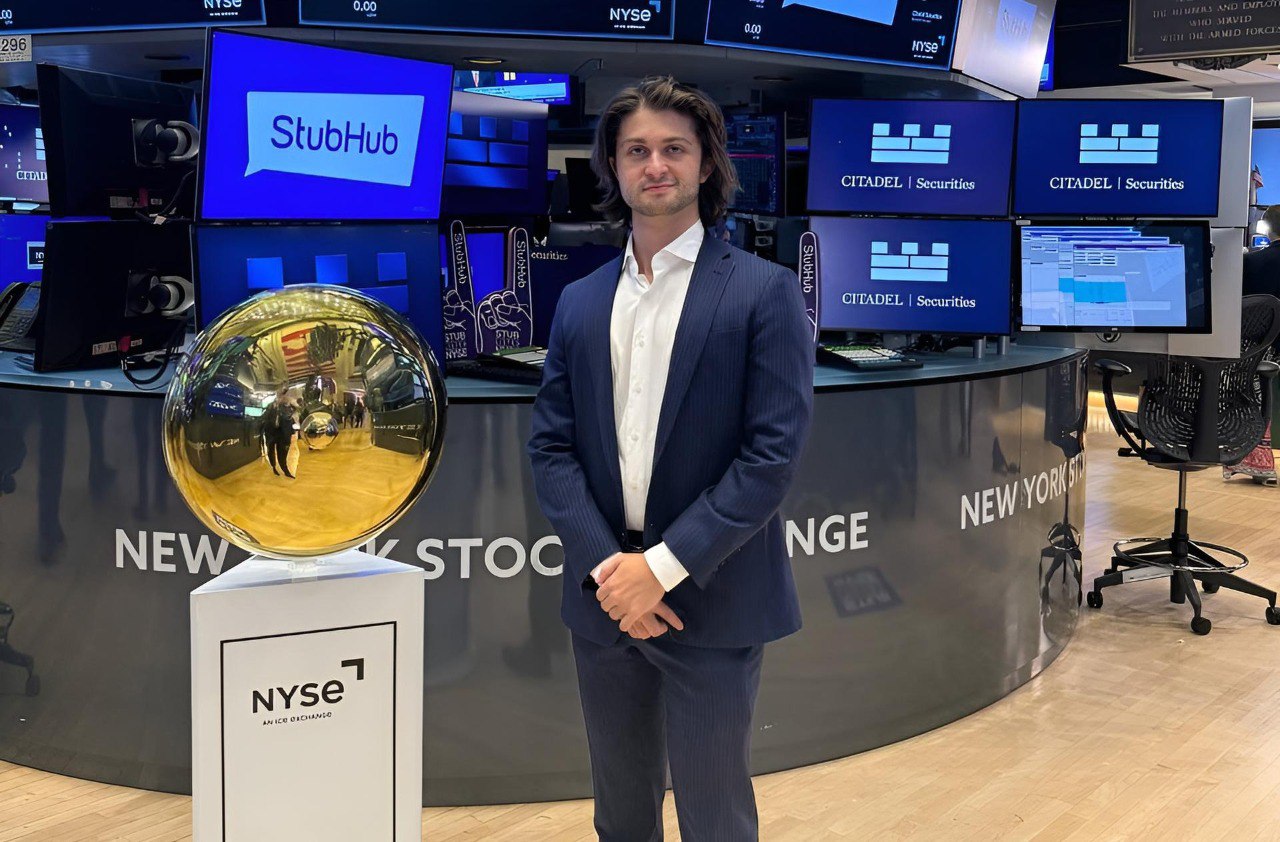

Anthony Anzalone, CEO of XION (aka Burnt Banksy)
Anthony Anzalone is known in Web3 circles as Burnt Banksy, a name he earned in 2021 when he and his team purchased a Banksy artwork for $95,000, set it on fire, and sold the NFT of the burning for $382,000. It was an audacious act that went viral, sparking global debate about the meaning of NFTs and ownership in the digital age. Coverage appeared everywhere from the BBC and The Guardian to Artnet, CBS, and The New Yorker.
Was it vandalism, performance art, or guerrilla marketing? Anzalone smiles at the question. He sees it as all three and also as a test. “We wanted to show the world what this technology could do. People thought NFTs were a joke, so we lit a match,” he says. The stunt also exposed the contradictions of the art world and crypto alike, drawing attention not just to NFTs but to the fragility of narratives people take for granted.
This instinct to provoke, to push people to re-examine assumptions, is central to Anzalone’s personality. He calls it “the art of the lie,” not as deception but as a way to reveal how stories are constructed and believed. It gives him his edge as a founder. He has the looks of a runway model but the mindset of a provocateur, willing to play arsonist if that is what it takes to wake the industry up.
This is where the story of XION begins. Anzalone saw an adoption problem hiding in plain sight. Wallets were confusing, seed phrases scared normal users, and the industry’s average drop-off rate hovered around 95 percent. His answer was to design for consumers from first principles.
Why XION
XION is a consumer-centric Layer-1 built for people who do not think of themselves as “crypto users.” It removes seed phrases and visible public/private keys, abstracts gas, and lets people sign up the way they sign up for any app. XION pioneered USDC as a gas token and published the first MiCA whitepaper from a Layer-1, signalling a compliance-first posture from day one. The result is a measured on-ramp that mainstream brands can use without compromising user experience. XION reports a 3 percent drop-off rate versus the industry’s 95 percent.
Funding, explained
Anzalone is candid about capital. The initial raise came quickly, the first $1 million arrived in eight minutes, but the rest took work. Markets were tight and expectations high. His view is simple: funding is always hard, even when a project has momentum. Those early minutes bought time; the following months were about proof.
EarnOS: onboarding that feels like the internet
Much of XION’s traction comes through EarnOS, a XION-powered application invented by Philip (surname), designed as an operating system for verifiable engagement. EarnOS lets brands acquire and retain users by rewarding real actions with on-chain proof, without forcing wallets, seed phrases, swaps, bridges, or conversions. Users sign in the way they already do, complete tasks or journeys, and value accrues transparently. For brands, EarnOS offers campaign tooling, analytics, and interoperability across 70+ blockchains through XION’s infrastructure.
EarnOS is live on mainnet. Global names already use it to connect directly with users; Uber is the latest. The approach is pragmatic: meet people where they are, make the benefits obvious, and keep the crypto out of the way until it adds clear value.
Distribution and regulatory posture
XION has been selected as the first Launchpool project on Bybit EU under the MiCA framework, opening a compliant channel to hundreds of millions of regulated users across 29 countries. Partnerships span Uber, BMW, Amazon and more than 100 major brands. XION cites more than four million registered accounts through brand integrations, with hundreds of thousands of monthly active users who do not need to know what blockchain is to benefit from it.
The founder behind the flame
The Burnt Banksy act was a deliberate market signal, not a spectacle. Anzalone is explicit about using provocation as a strategy, what he calls “the art of the lie,” meaning the construction and testing of narratives. The same discipline applies to product: remove friction, demonstrate utility, and measure outcomes. XION and EarnOS operationalise that approach, turning attention into adoption at scale. He is looking at selling organs online and has already established that a tooth is technically considered an organ. This project is under wraps for now, but should be provocative when launched.
What he is building toward
Anzalone’s goal is mainstream participation without gatekeepers. Consumer experiences that feel like the internet, not like finance. Brands that can measure outcomes and users who keep what they earn. If Web3 is to escape its niche, he argues, it must stop asking people to become crypto-native before they can do anything useful. XION is his answer: compliance-ready rails, consumer-grade UX, and a distribution model that starts with utility, not ideology.