



Liberland and Web3 Foundation have jointly announced that the Liberland Blockchain Team received a grant from Web3 Foundation.
The topic of the grant was the setup of the minimally viable version of the Liberland Blockchain: the first public blockchain to run a state government.
Liberland will be the first country to run its government on a public blockchain, which the team has chosen to build on Substrate/Polkadot. Anyone can connect to the testnet or check out the code on GitHub.
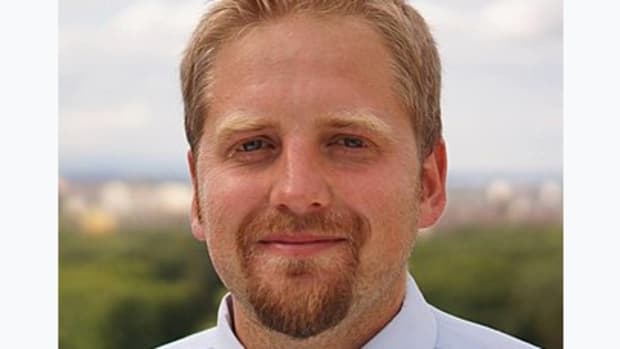
President Vít Jedlička stated that: “Liberland was the first country to adopt Bitcoin (BTC) as its national currency, and now, we are building our own blockchain to serve our citizens and organize our democracy. We show the way and hope other states will soon follow.”
The Liberland Blockchain Team is building an on-chain e-governance system similar to the e-governance of Estonia or the Netherlands, but also to include the entire democracy, legislature, and State organ decision-making.
Future plans include the implementation of real-estate and company registries, communication with the government, and administrative decision-making on the blockchain. A system to replace the state judiciary with a decentralized blockchain solution is also on the team’s roadmap.
The team’s decision to partner with the Web3 Foundation was based on the organization’s proven track record in the field and its Substrate framework. This platform offers open-source ready-made solutions teams can use to build their own decentralized ledger systems (blockchains).
Check out the Web3 foundation on their website, Medium, or Twitter.
What is Liberland?
Liberland is building a nation settled in a no man’s land between Croatia and Serbia. Vít Jedlička, the first and current president, proclaimed Liberland on 13th April 2015, the birthday of Thomas Jefferson. He chose the date to signify the intended direction in which the new country was envisioned to develop:
- Rational, minimal laws;
- Protection of property;
- Accent on individual liberty; and
- Equality, human rights, and human dignity.


