

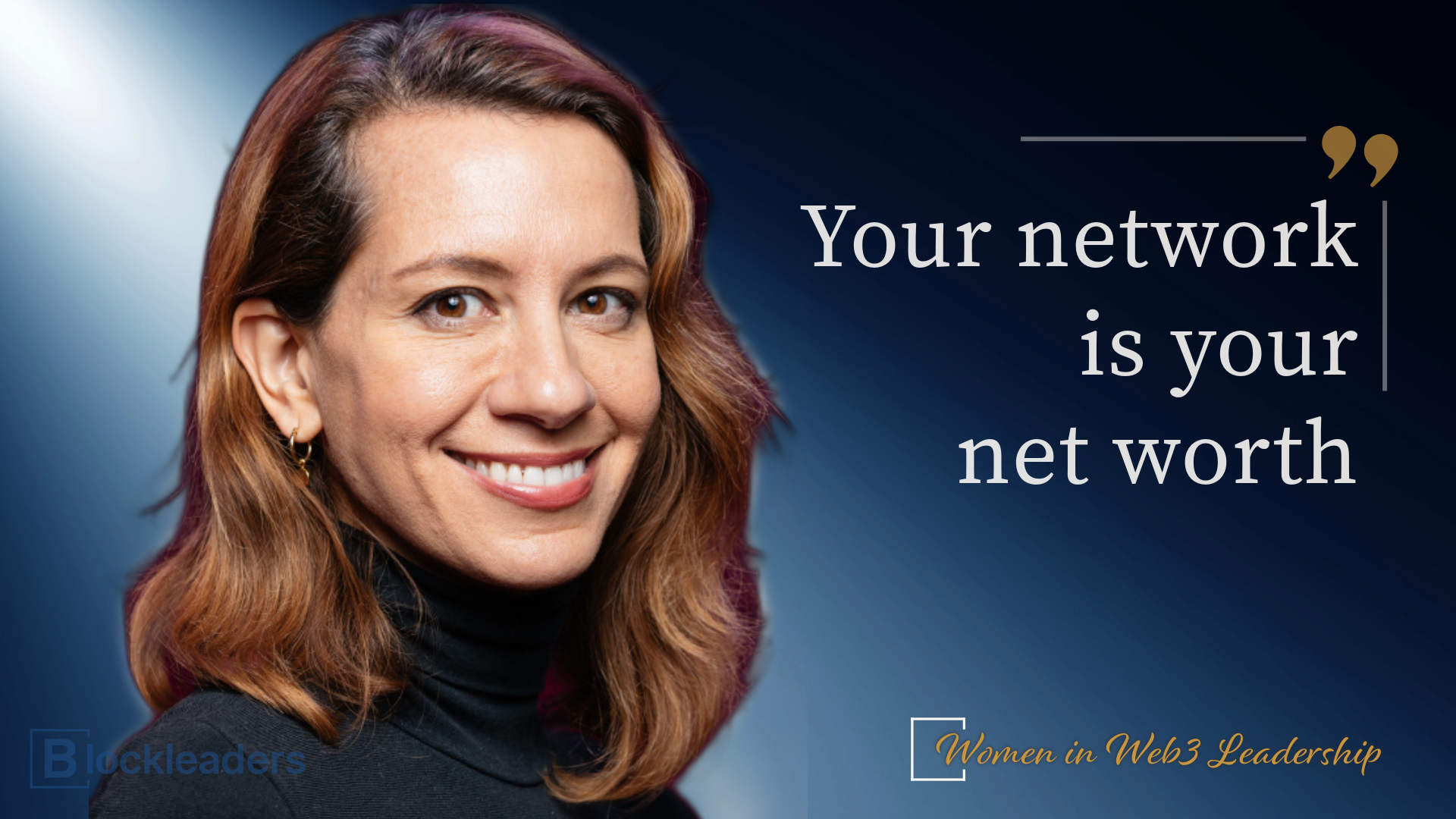

Georgia Hanias is the founder and CEO of Ecology Media, a boutique PR firm working across fintech and Web3, and an advisory board member of PayEd. She was a founding team member and first Head of Global Communications at Innovate Finance, where she also led diversity initiatives and the Women in FinTech campaign.
Week 35 – Georgia Hanias, Founder, Ecology Media
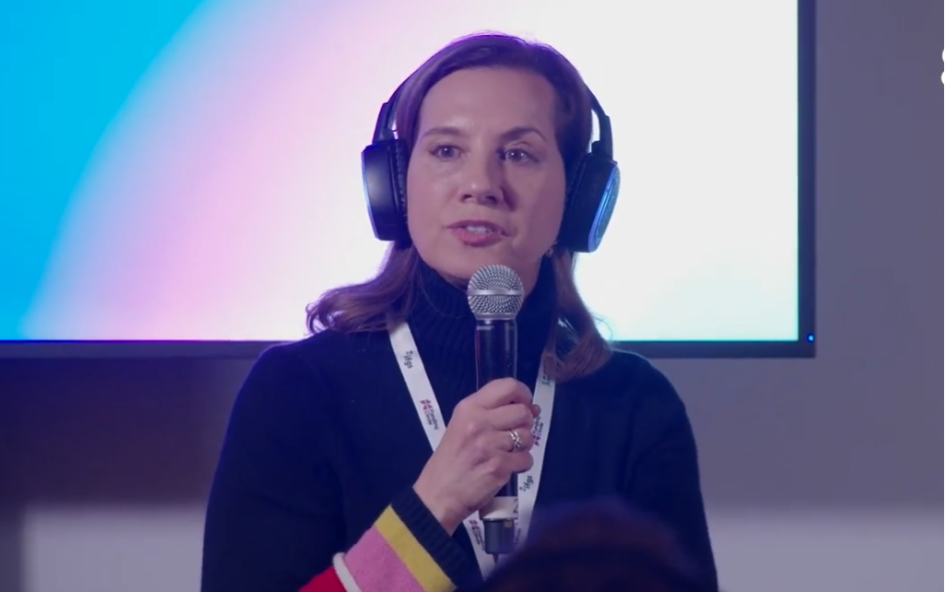
Hanias speaks about leadership in direct and practical terms, shaped by experience rather than theory.
“I think people want to feel empowered rather than micromanaged. I don’t like telling people what to do, because I never liked being bossed around myself, but it is about finding that balance, making sure people know what they are doing and then letting them get on with it.”
Culture, in her view, is both essential and fragile, particularly as a company grows.
“Fostering a positive and inclusive culture is important, and that can get hard when you are growing a team. If you make people feel safe about sharing their concerns, actively listen, and make the changes needed to ensure they are happy in their jobs, then they tend to stick around.”
Adaptability is another constant. Hanias would prefer a full office, with the immediacy of conversation and the sense of community that comes from proximity. Yet the reality of modern work is different. Employees want flexibility, whether that means working from home or from another country. She acknowledges the pressures of work-life balance and the burden of commuting, describing it as soul destroying. The task for leadership is to find the right compromise. Flexibility, she says, is key.
Accountability underpins everything. When things go wrong, responsibility sits with leadership. Hanias is candid about her own areas for development, particularly in employee mentorship. Rather than ignore the gap, she has hired an executive leader to strengthen that function, a decision she describes as working well.
On the question of Web3’s meritocracy, Hanias offers a measured view.
“More women are able to work remotely, which is great, but they also need to be at events and interacting and networking to get the plum roles. We just need to be proactive, be seen and heard, and focus on those who are willing to open doors rather than those who are not.”
Challenges to authority have been a recurring feature of her career, though their impact has diminished over time. There are still moments when assumptions are made, such as when male colleagues are mistaken for the founder. These situations are corrected, often by colleagues themselves, but their frequency remains notable. Financial credibility presented another challenge. For years, late payments were an issue until the appointment of a male CFO, after which payment behaviour shifted significantly. Hanias does not speculate on the cause, but the change was clear.
Despite this, her emphasis remains on the positive. She points to strong support from both male role models and her team, which is currently predominantly male, describing them as respectful, engaged, and hard-working.
Her approach to trust in a so-called trustless ecosystem is pragmatic. Clients engage her firm for results. Gender, she suggests, is not a determining factor. What matters is the ability to deliver, which in her case is built on relationships with journalists, conference organisers, and strategic partners who can provide visibility and access.
For women entering Web3, her advice is both broad and specific. Those interested in technical roles should immerse themselves in the ecosystem, attending hackathons, learning to build applications, and developing relevant skills through software or AI courses. At the same time, the sector requires a wide range of non-technical expertise, including marketing, PR, content, legal, and policy.
“Without a network you cannot build a business or flourish. Your network is your net worth, so it is about going to events, meeting people, joining groups, and building connections that can support your growth.”
Moving between grassroots communities and institutional environments requires the same underlying approach. Trade bodies, roundtables, and conferences provide access to a range of stakeholders. Women, she argues, should participate actively, contribute to discussions, and share their perspectives publicly through platforms such as LinkedIn. (See also: Lavinia Osbourne of Women in Blockchain Talks on creating conditions for women to lead in Web3.)
As AI develops alongside blockchain, Hanias is clear that more women need to be involved not only in building the technology but also in shaping its governance. Where access is restricted, she advocates for collective action, using data, media, and public campaigns to challenge exclusion and push for change.
Her own career was significantly shaped by her time at Innovate Finance, where she built a network spanning media, entrepreneurs, policymakers, financial institutions, and non-profits. That network enabled her to launch Ecology Media with an initial client base already in place. The lesson is direct. Without a network, it is difficult to build a business or to flourish.
Three (plus one) Tips for women aspiring to leadership in Web3.
First, read widely and stay ahead of developments. Identify the projects and people that resonate, and begin building a network that provides access to opportunity.
Second, attend as many gatherings as possible. Relationships formed in these settings can lead to roles or partnerships in the future.
Third, never burn bridges. Web3 is a tight-knit sector. Maintain professionalism, learn from each role, and move on when necessary with composure.
Finally, support other women. She observes that while men network effectively with each other, women can sometimes adopt a scarcity mindset. She rejects this entirely, noting that there is ample room at the table. She cites Madeleine Albright: there is a special place in hell for women who do not help other women.